
Lincoln is #2 for Work-Life Balance: What's Omaha's Move?
Source: Elevate Data, "The Best Cities for Work-Life Balance in 2026," January 13, 2026
Let's talk about what just happened 50 miles west of us.
Lincoln, Nebraska just landed the #2 spot in Elevate Data's 2026 Best Cities for Work-Life Balance ranking. Not top 20. Not top 10. Number two in the entire country.
Meanwhile, Omaha? We didn't crack the top 10.
Now, before you think this is me throwing shade at our city, let me be clear: This isn't a threat. It's a wake-up call. And if you're leading a business or nonprofit in Omaha, this data isn't something to scroll past: it's a strategic blueprint for what you need to fix right now.
Because here's the reality: If your best people can drive 50 miles and get better work-life balance, lower commute times, and higher labor participation rates, you're not just competing with the business down the street anymore. You're competing with Lincoln.
What Lincoln Got Right (And What It Means for Us)
Let's break down the numbers from the Elevate Data report:
Lincoln's winning stats:
19.2 minute average commute (vs. national trends pushing 25+ minutes)
85.3% labor force participation (meaning people are working AND staying engaged)
Strong affordability relative to median income
Solid recreation and entertainment access
Compare that to what we know about Omaha. We've got the metro energy, the Fortune 500 presence, the cultural amenities: but we're also dealing with longer commutes, rising housing costs relative to income, and the "Big City pressure" that comes with growth.

Lincoln built a system that supports Sustainable Capacity. We're still figuring ours out.
And here's where it gets real for you as a leader: Balance isn't a perk anymore. It's a retention strategy.
What This Means for Omaha Business Leaders and Nonprofits
The Elevate Data study highlights a brutal truth: Americans are working 1,790 hours per year on average, compared to 1,400-1,450 hours in countries like Germany and Denmark. That's nearly 400 extra hours annually: or about 10 full work weeks.
And Gallup's 2025 State of the Global Workplace report shows the cost: only 33% of employees globally are thriving, and engagement has dropped to 21%. When people aren't engaged, they experience more stress, burnout, and negative emotions daily.
For Omaha leaders, this creates two distinct challenges:
1. Business Leaders: The Capacity Crisis
You've got the growth targets, the quarterly goals, the pressure to perform. But if your team is maxed out on hours and low on engagement, you're not just risking turnover: you're burning through your highest performers.
Your seasoned trailblazers: the ones who can think strategically, move fast, and drive results: are the exact people who will jump ship if you don't offer them a better way to work.
2. Nonprofits: The Energy Gap
Here's your reality: You can't compete on salary. You never could. Your mission is your magnet, but mission alone doesn't pay mortgages or restore energy after a 60-hour week.
If you're not offering balance, flexibility, and a psychologically safe culture, you're losing your best people to the I-80 commute: or worse, to corporate jobs that finally figured out how to offer both pay AND balance.
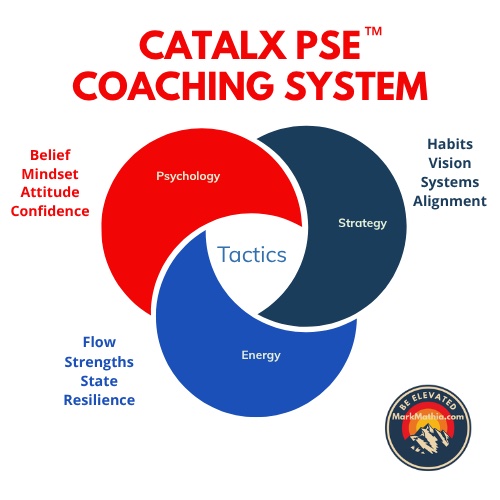
The good news? You don't need Lincoln's infrastructure to win. You just need better Strategy, Psychology, and Energy.
3 Strategies for the Omaha Leader (Profit, Time, Teamwork)
Let's get tactical. Here's how you beat the "Lincoln advantage" without moving your headquarters.
Strategy #1: Shift from Hour-Counting to Impact-Mapping (Profit)
The problem: Most leaders still measure performance in hours, not outcomes.
The Elevate Data report shows the math clearly: We're working nearly 400 more hours per year than high-performing European economies. But are we getting 400 hours' worth of better results? No. We're just grinding harder.
Here's the fix:
Use the CatalyX PSE™ framework to drive 25% more performance in fewer hours by eliminating what I call "System Friction": the unnecessary meetings, redundant processes, and misaligned priorities that drain capacity without creating value.
Action steps:
Audit your team's top 5 deliverables this quarter. For each one, ask: "What would happen if we cut the time spent on this by 30%?"
Map your team's work to impact, not activity. If someone is spending 20 hours a week on tasks that don't directly move the needle, reassign or eliminate.
Implement "Deep Work" blocks (hat tip to Cal Newport): 90-minute uninterrupted focus windows where your team tackles high-value work without Slack, email, or meetings.
The result? Higher profit margins, better outcomes, and a team that's not running on fumes.
Strategy #2: The Triple Margin Freedom Audit (Time)
Lincoln's average commute is 19.2 minutes. Omaha's? Likely longer, especially for teams spread across metro and west Omaha.
If you can't move your office closer to your team, you need to give them their time back in other ways.
Here's what I call the Triple Margin Freedom Audit:
Commute vs. Contribution: Calculate how much time your team spends commuting weekly. For someone with a 35-minute commute each way, that's nearly 6 hours per week: or 300+ hours annually. What if you offered 2-3 remote days per week and gave them 200 of those hours back?
Meeting Margin: Audit every recurring meeting. Kill at least 30% of them. For the ones that stay, cut them by 15 minutes. (If it's scheduled for an hour, make it 45. If it's 30, make it 20.)
Decision Margin: How long does it take your team to get approvals, feedback, or direction? If people are waiting 48 hours for a "yes" on a $500 expense, you're stealing their time. Empower faster decisions at lower levels.
The result? You're not just saving time: you're creating space for people to think, recover, and perform at a higher level.
Strategy #3: Strengths-Based Synergy (Teamwork)
Here's where most Omaha leaders miss the mark: They treat "teamwork" like it's about more collaboration. More meetings. More check-ins. More "synergy sessions."
That's not teamwork. That's chaos.
Real teamwork is about Clarity and Care: making sure every person on your team is doing work that plays to their natural strengths and energizes them, not drains them.
Here's the framework:
Use CliftonStrengths and Enneagram to map your team's core drivers and energy sources. Then, ruthlessly align their roles to their strengths.
Action steps:
Identify the top 3 tasks each person does that drain their energy (even if they're "good" at them). Reassign those tasks to someone whose strengths align.
Build "Strengths Partnerships": pair people with complementary strengths (e.g., Strategic + Achiever, Empathy + Command) so they can cover each other's gaps.
Create "Energy-Giving" KPIs: not just output metrics, but measures of whether people are working in their zone of genius. (Example: "% of time spent on strengths-aligned work" or "weekly energy score.")
The result? Teams that don't just work harder: they work smarter, faster, and with more joy.
Omaha's Move? Build What Lincoln Ranked For
Look, Lincoln earned that #2 spot. They've got the infrastructure, the commute times, and the labor participation to prove it.
But here's the thing: You don't need a national ranking to build a thriving team culture in Omaha. You just need to stop treating balance like a "nice-to-have" and start treating it like a competitive advantage.
Because the data is clear: Your best people are watching. They see the Elevate Data rankings. They see the commute stats. They see the burnout in their coworkers.
And if you don't offer them Sustainable Capacity: through better Strategy, Psychology, and Energy: they'll find it somewhere else.
So here's my challenge to you:
Pick one of these three strategies and implement it this month. Not next quarter. Not "when things slow down." This month.
Because Lincoln's not waiting. And neither is your competition.
Let's build the Omaha that should've been on that list.
Ready to eliminate System Friction and build Sustainable Capacity in your team? Let's talk. Book a strategy session here and we'll map out your next move.
